Guide 06 · 6 min read
Tile Shower vs Acrylic in Scottsdale, AZ
Good to know
The short answer
Tile showers are built in place, wall by wall, over waterproofing, and acrylic showers are preformed panels or surrounds that install in days. In Scottsdale, tile wins on looks and resale, acrylic wins on speed and maintenance, and hard water decides whether the tradeoff is worth it.
Tile is the upgrade, and in Scottsdale it is the expected finish in a primary bath. Acrylic is the practical one: it goes in fast, it has almost no seams to leak, and it does not care about the water chemistry. The honest answer is that tile lasts if the waterproofing behind it is right, and acrylic lasts if the wall behind it is sound.
Which one is right depends on the house, the wall framing, the water, and how long you plan to own the home.
Showers
Tile shower: what it actually is
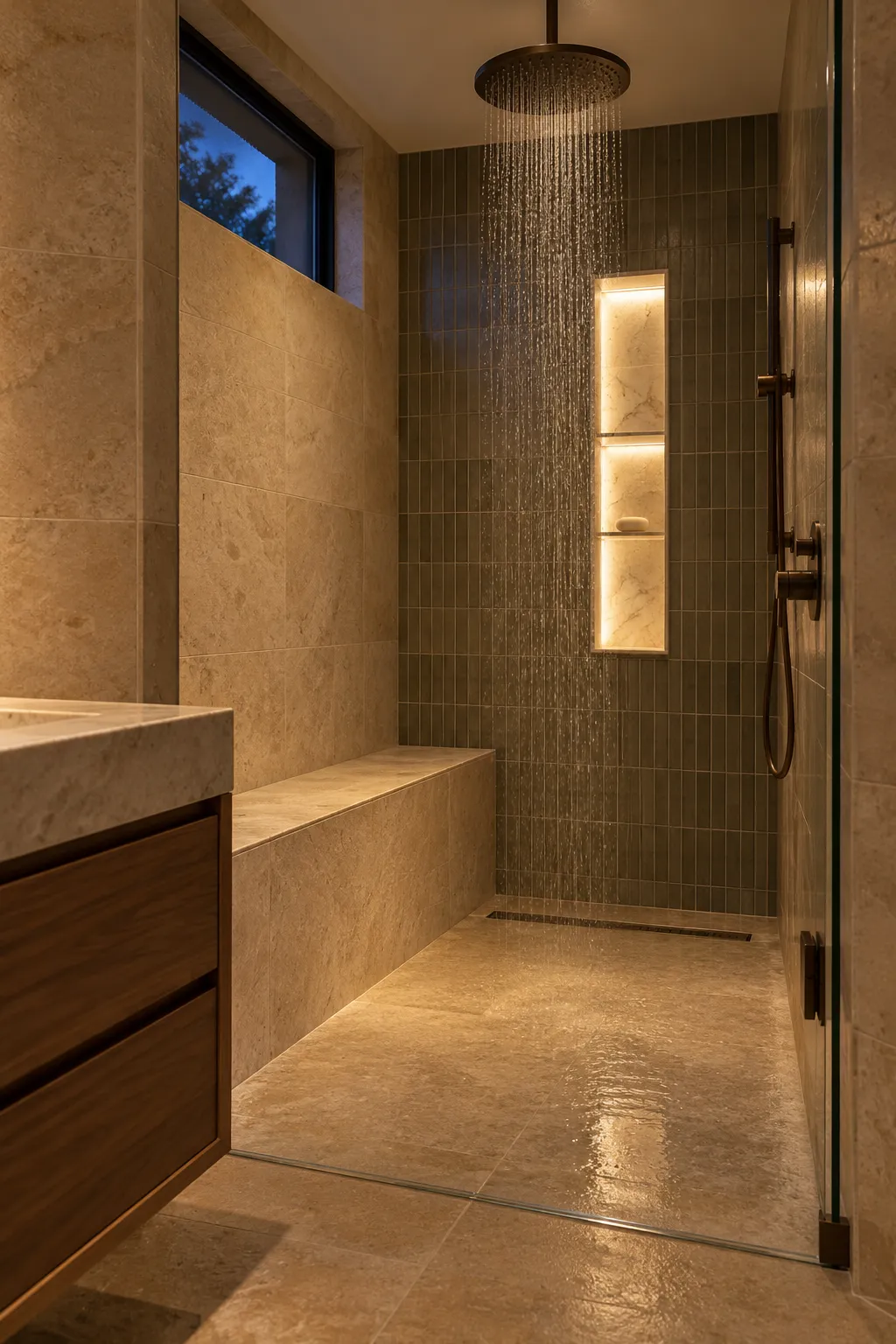
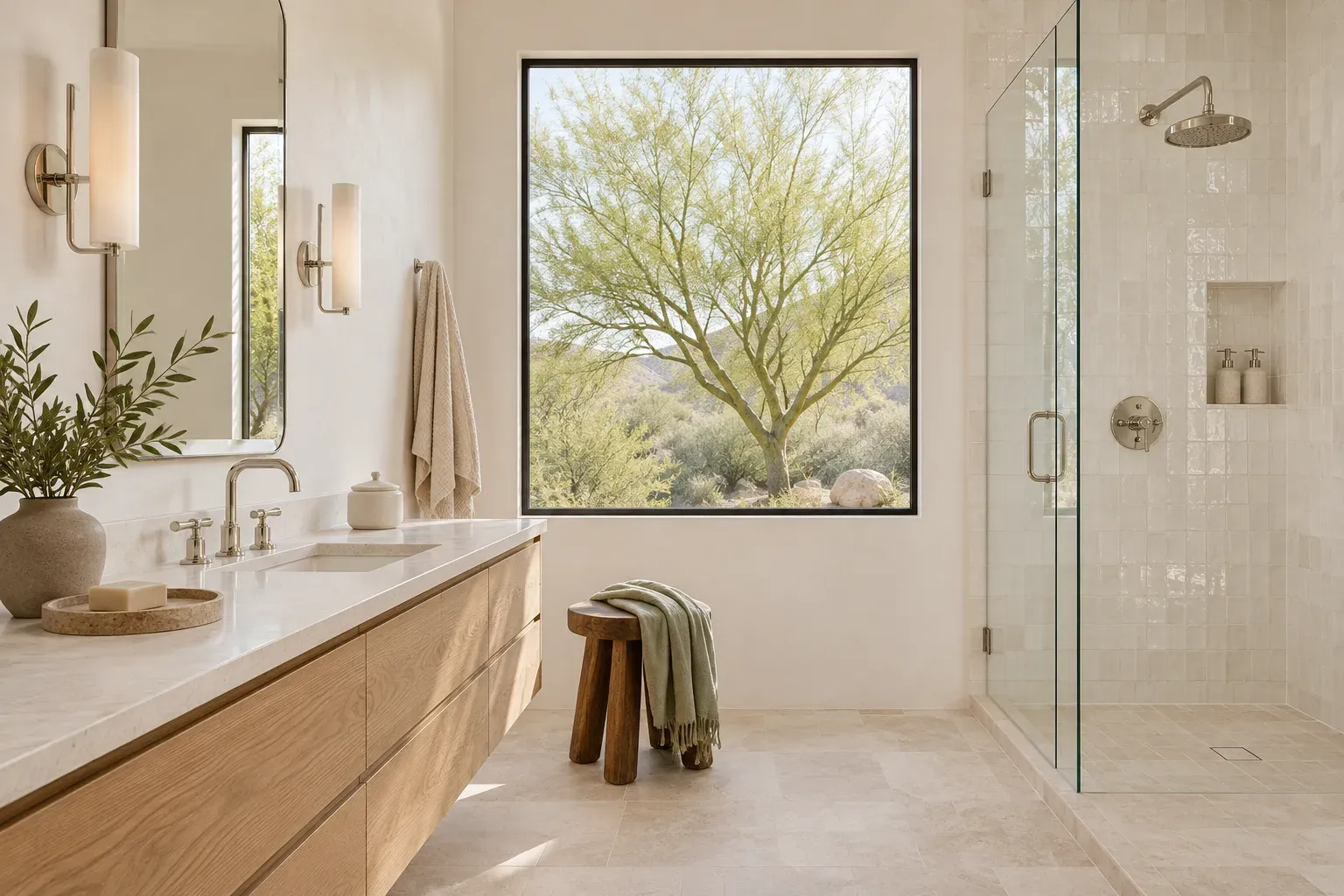
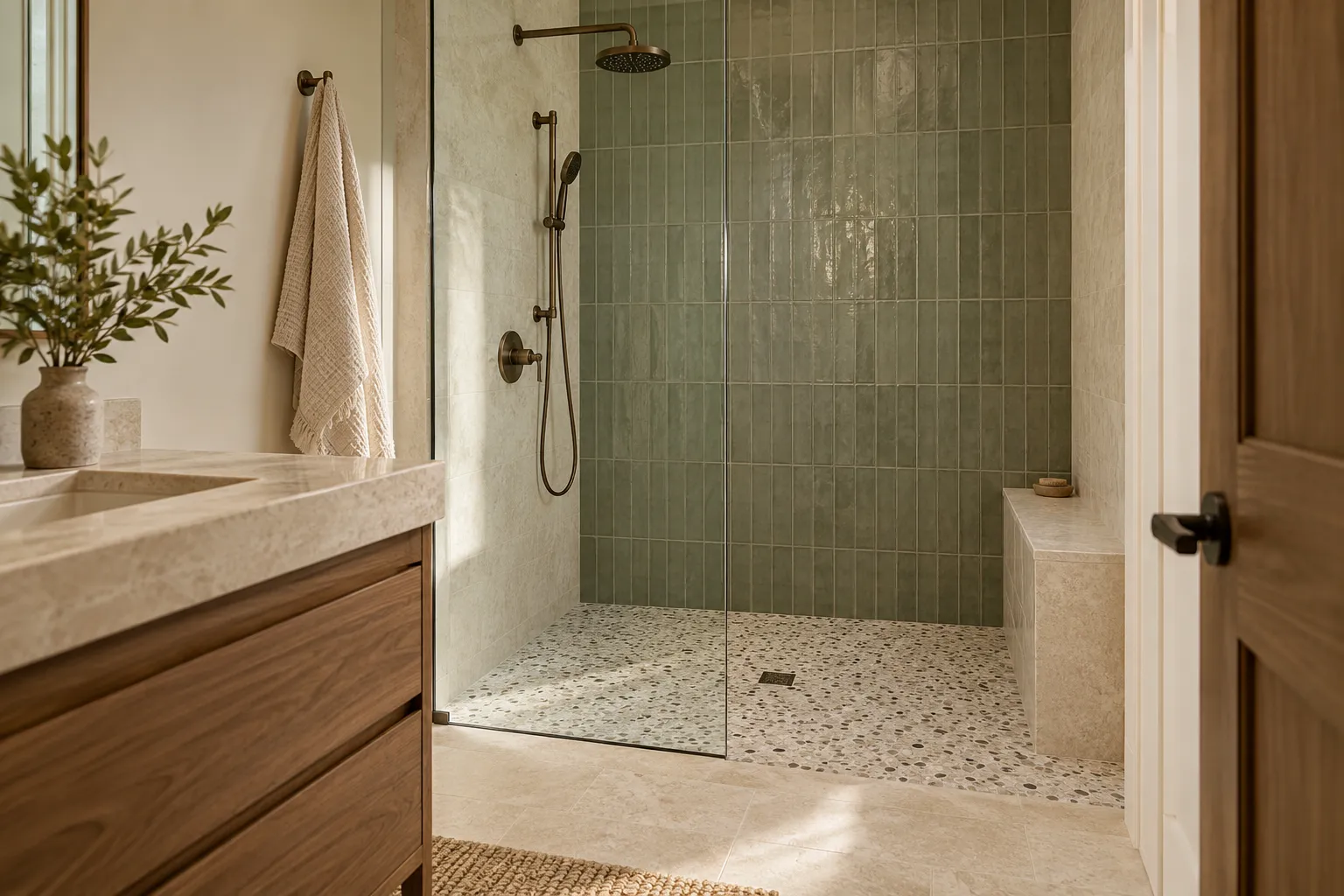
A tile shower is a waterproof assembly with tile stuck to the outside of it. The waterproofing is the system: a pan liner or a sheet membrane under the floor, membrane or board on the walls, corners and seams lapped so water never reaches the framing. The tile is decoration with a job: it takes the water, the soap, and the cleaning chemicals so the membrane does not have to.
The failure risk is in the joints, not the tile. Grout is not waterproof, and neither is the stone or porcelain it surrounds. Water gets past the surface and the waterproofing layer is what catches it. When people say a tile shower leaked, what they usually mean is the waterproofing was skipped or done wrong, and the tile hid it for years.
In a Scottsdale primary bath the tile is also the resale language: buyers read tile and glass as the marker of a real remodel, and the waterproofing nobody can see is the thing the tile is the proof of.
Showers
Acrylic shower: what it actually is
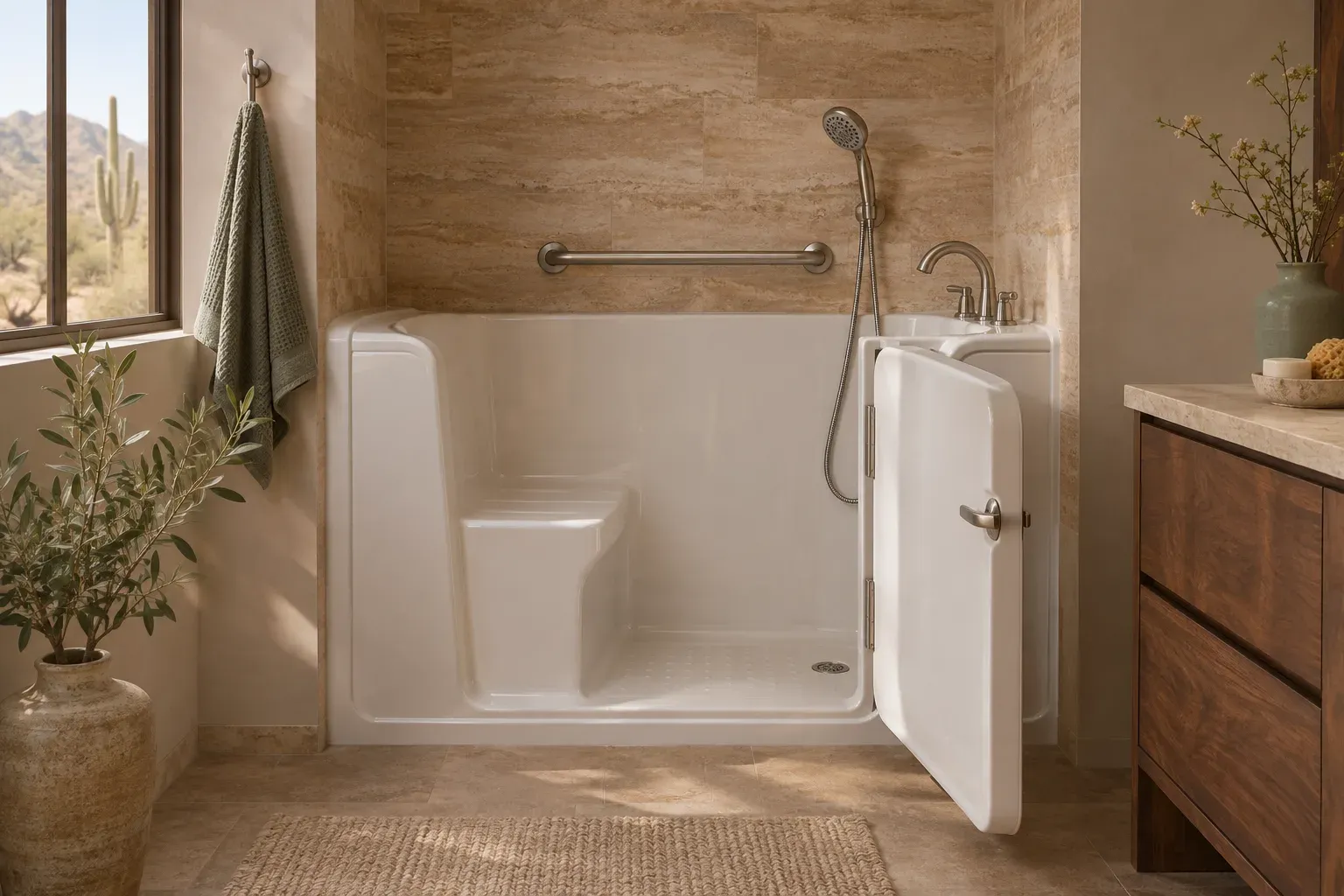
An acrylic shower is a molded or fabricated shell: a pan and wall panels, sometimes one piece, sometimes three, joined with a few seams and caulk. The surface is non-porous, there is no grout, and there is no waterproofing step, because the shell itself is the water barrier.
The tradeoff is what the shell cannot do. It comes in a fixed set of sizes and colors, it scratches, and it flexes, so the wall behind it has to be flat and solid or the shell cracks along its own stress lines. The material side of this argument also shows up in the porcelain vs ceramic tile question, since the tile body decides a lot of what people blame on the grout.
Tile and waterproofing
Where tile fails here
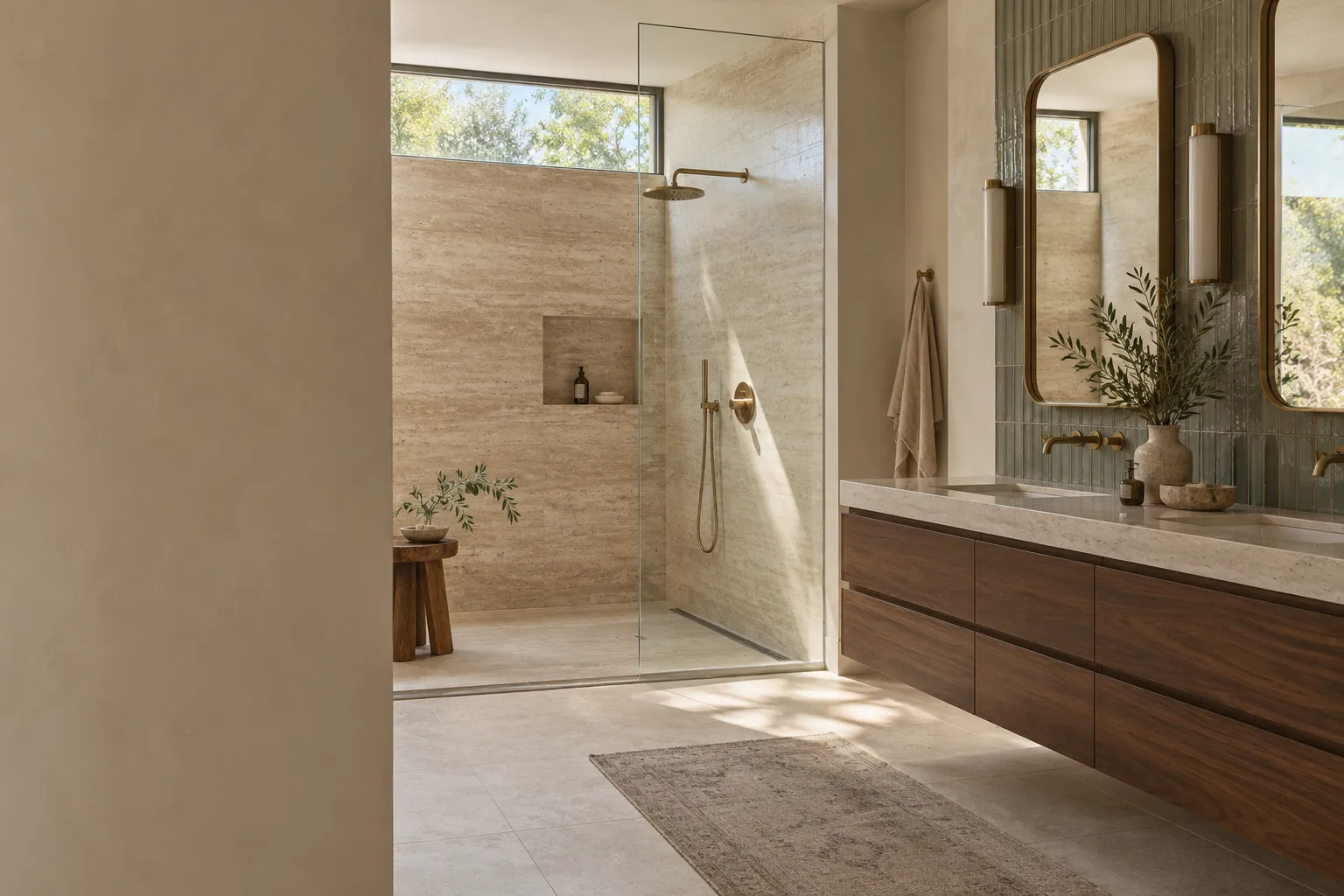
Scottsdale hard water is a grout problem first and a stone problem second. The water here carries enough minerals that scale shows up on glass within a season, and light grout takes the same film and holds it, so a pale grout line in a shower turns brown or gray and no amount of scrubbing brings it back. Polished stone is worse: the minerals sit in the pores, and the finish dulls where the water hits it hardest.
The other failure is behind the tile. A shower built over greenboard with no pan liner and no flood test can look perfect on the surface while the framing below the pan rots, and in a larger Scottsdale primary bath the leak has more room to travel before it shows up on a ceiling. Second homes make it slower to catch: the house sits empty through the monsoon, and a drip that would be noticed in a week goes unnoticed for a season.
Sealing is the recurring line item people forget. In Scottsdale the grout and the stone want resealing on a schedule, and the schedule is shorter than the sealer's label suggests, because the water here is harder than the label's test water. Skip the routine and the film wins.
Good to know
Where acrylic fails here
Acrylic fails at the seams and the substrate. The few seams it has are caulked, and caulk fails on a schedule, especially where the pan meets the wall and the shell flexes with temperature swings in a house that is heated and cooled hard. When the caulk lets go, water gets behind the panel and sits against drywall.
The surface also scratches, and Scottsdale water makes people scrub. Hard water scale on acrylic responds to aggressive cleaning, and aggressive cleaning dulls and hazes the shell over time. The shell does not stain like grout, but it does not age invisibly either, and a scratched surround in a high-end Scottsdale bath reads as tired the same way stained grout does. If the room only needs a face-lift, the boundary between this decision and a remodel vs refresh is where the money splits.
The second home version is the mold version: a closed-up bath with a slow caulk leak holds the moisture in the dark for a whole season, and the first sign is not a puddle, it is the smell when the door opens for the first visit of fall.
Costs
What it costs and what drives the number
Tile is almost always the higher number, and the reason is labor: cutting, setting, grouting, and sealing happen on site, wall by wall, over days. Acrylic is panels and a day or two of install. But the acrylic number moves when the wall behind it is not flat, when the drain does not line up, or when the old surround hid water damage that has to be fixed first.
What drives the tile number here is the waterproofing sequence and the finish you pick, not the tile price itself. Cheap tile installed over a real membrane outlasts expensive tile over greenboard. The full breakdown sits on the bathroom remodel cost page.
The acrylic savings are real, and the honest version of the decision is that the money not spent on tile belongs in the waterproofing, the pan, and the glass, which are the parts that decide whether the shower leaks and how it reads from the doorway.
Good to know
What good work looks like in Scottsdale
- The waterproofing sequence goes in the scope in writing, and the flood test is a named line item, not an assumption.
- The framing and the drain get checked before a single panel or tile is ordered, because flat walls and a centered drain decide how the job ends.
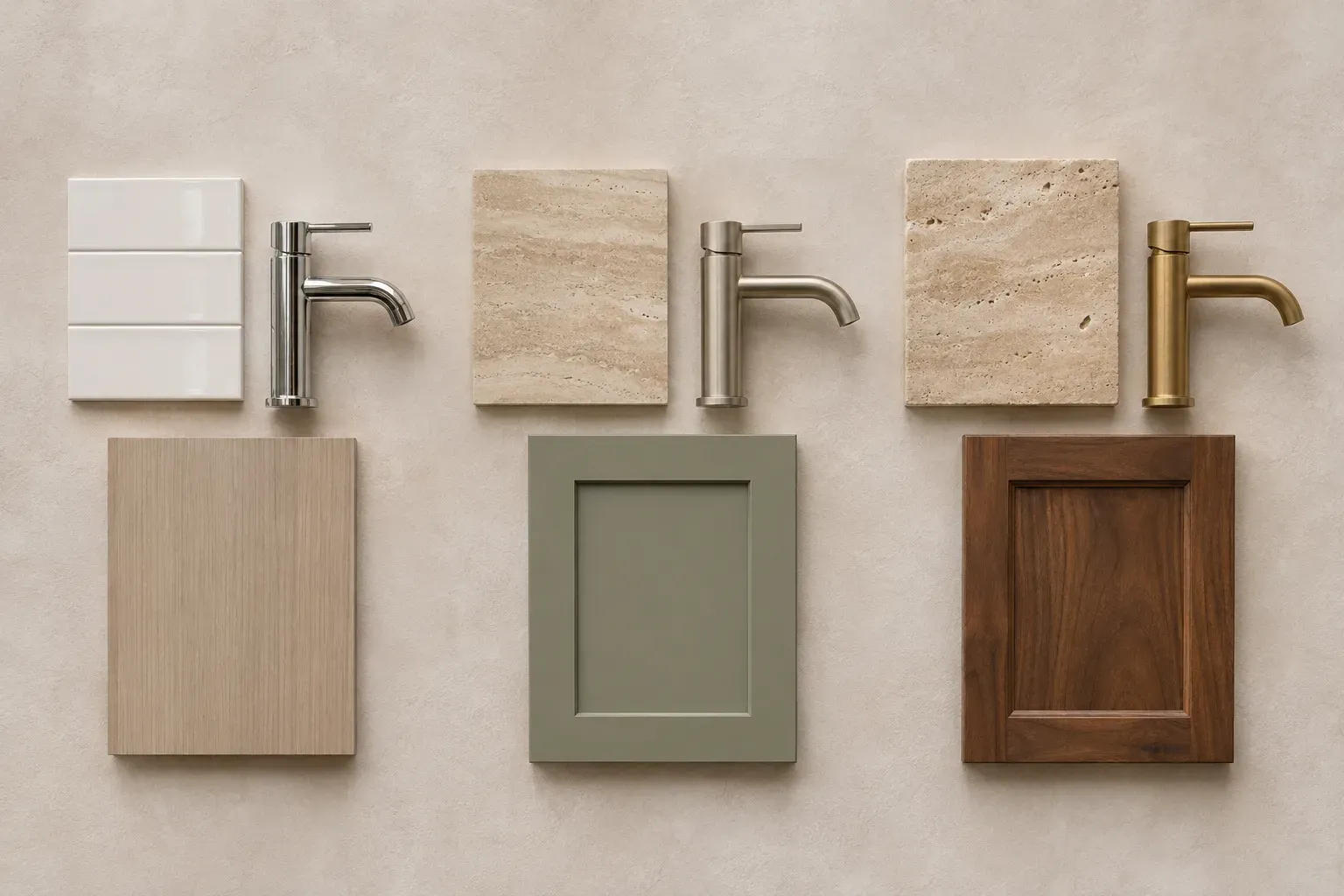
- Finish selections get screened for Scottsdale water, and that means a veto on polished stone and light grout where the scale is worst.
- A second home gets a schedule that respects the empty months, so a finished shower is not left wet and closed up through the monsoon.
If you are ready to choose a shower, our shower remodeling page covers custom and walk-in options.
6 questions
Tile Shower vs Acrylic: your questions
Still have a question? Call (602) 782-5702 and describe the bathroom.
Is a tile shower better than acrylic?
Better is the wrong word. Tile is the higher-end finish and it lasts if the waterproofing is right. Acrylic is faster, cheaper, and easier to clean, and it fails differently. The house and the water decide.
How long does a tile shower last in Scottsdale?
The tile itself will outlast you. What fails is grout and the waterproofing behind it, and hard water ages both faster here than the national average would suggest.
Can you put acrylic panels over old tile?
You can, and the panels hide what is behind them, which is the problem. If the old shower was leaking, the new shell is sitting over the damage.
Why does light grout stain in Scottsdale?
The water carries minerals, the grout is porous, and the minerals settle into the pores and cure in the dry heat. Sealing helps, but it is a maintenance routine here, not a one-time step.
Which one is easier to keep clean?
Acrylic, day to day, because there is no grout. But it scratches, and the cleaning products that attack scale also attack the surface.
Do acrylic showers look cheap?
They read as practical, which in a Scottsdale primary bath can cost you at resale. In a guest bath or a rental unit, nobody minds. The walk-in shower vs tub combo page covers how the same call lands when a tub is in play.