Service 04 of 07 · Scottsdale, AZ
Bathtub Installation in Scottsdale, AZ
Some bathrooms need the old tub replaced, some want the tub space put to better use, and some want a freestanding soak as the centerpiece of a redesigned room; this page covers bathtub installation in Scottsdale, from replacement and new tubs to surrounds, plumbing, access and published costs. To talk through the bathroom you have, call (747) 243-2089.
Last updated
01Tubs
What does a bathtub installation involve?
A tub installation is a plumbing job and a waterproofing job before it is a finish job. The old tub comes out, the opening and the floor under it are inspected, and the drain and the valve are checked against the new tub before anything is set. The tub is leveled and secured, the surround walls are rebuilt, and the waterproofing layer goes in before tile. When the project is a fixture replacement in the same location, the scope stays tight; when the drain or the valve has to move, the plan and the permits change with it, and that is settled during the on-site assessment. Tile, trim and fixtures come last, after the waterproofing is complete.
02Showers
Should you replace the tub, or convert the space to a shower?
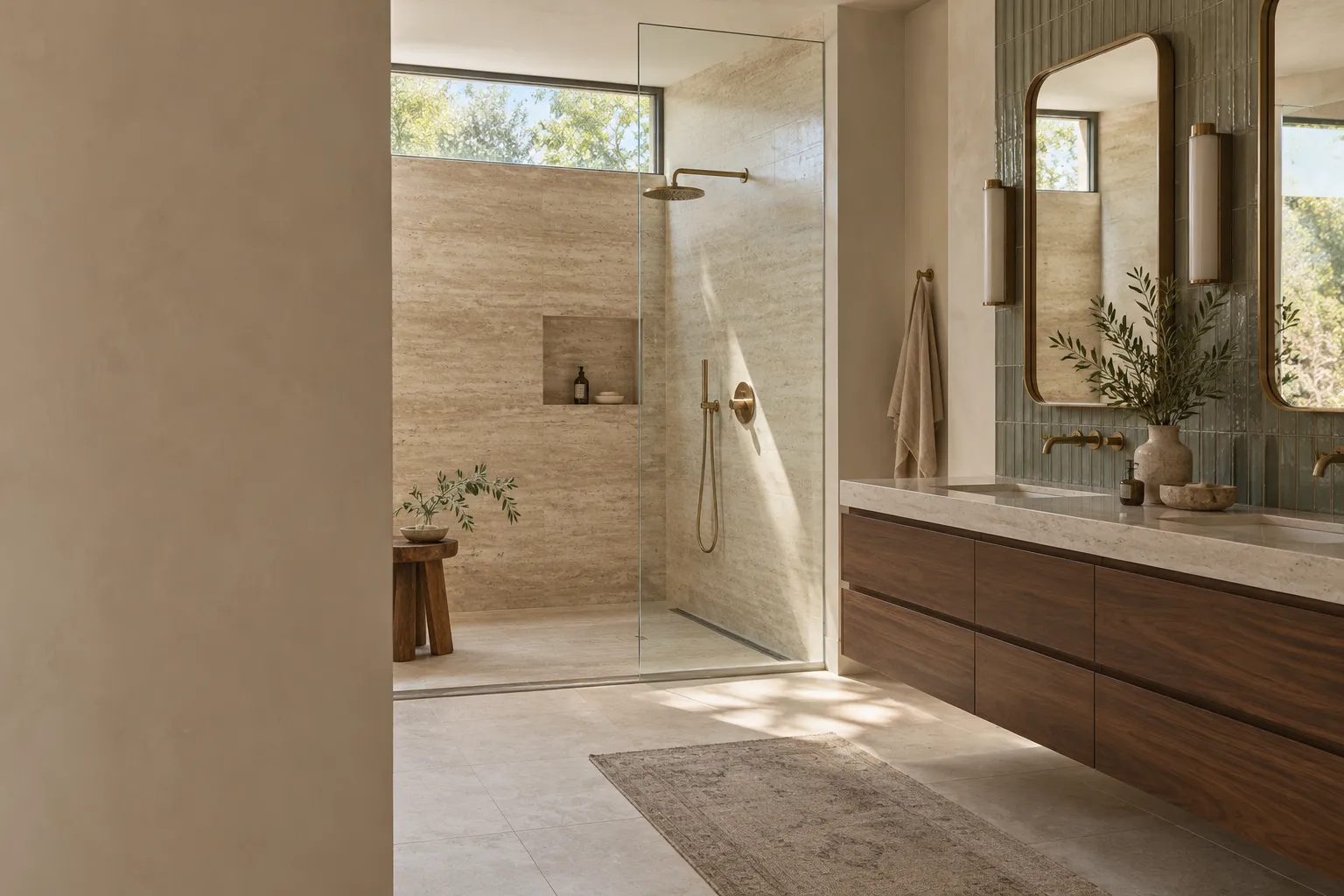
If nobody has taken a bath in years, the tub can be the least used fixture in the house, and a tub to shower conversion puts that space to daily use. Replace the tub when someone soaks regularly, when it is the only bathing spot for small children, or when the room is a guest or hall bathroom that should stay bath ready. The 2 paths share most of their work: demolition, plumbing checks, wall rebuilding and waterproofing are nearly the same. They differ in what gets ordered, what the plumbing is checked against, and how the finished room works every day. Either direction can be right, and the room and the household sort it out. The tub to shower conversion page covers that side in detail.
03Tubs
Alcove, freestanding or soaking: which tub fits your bathroom?
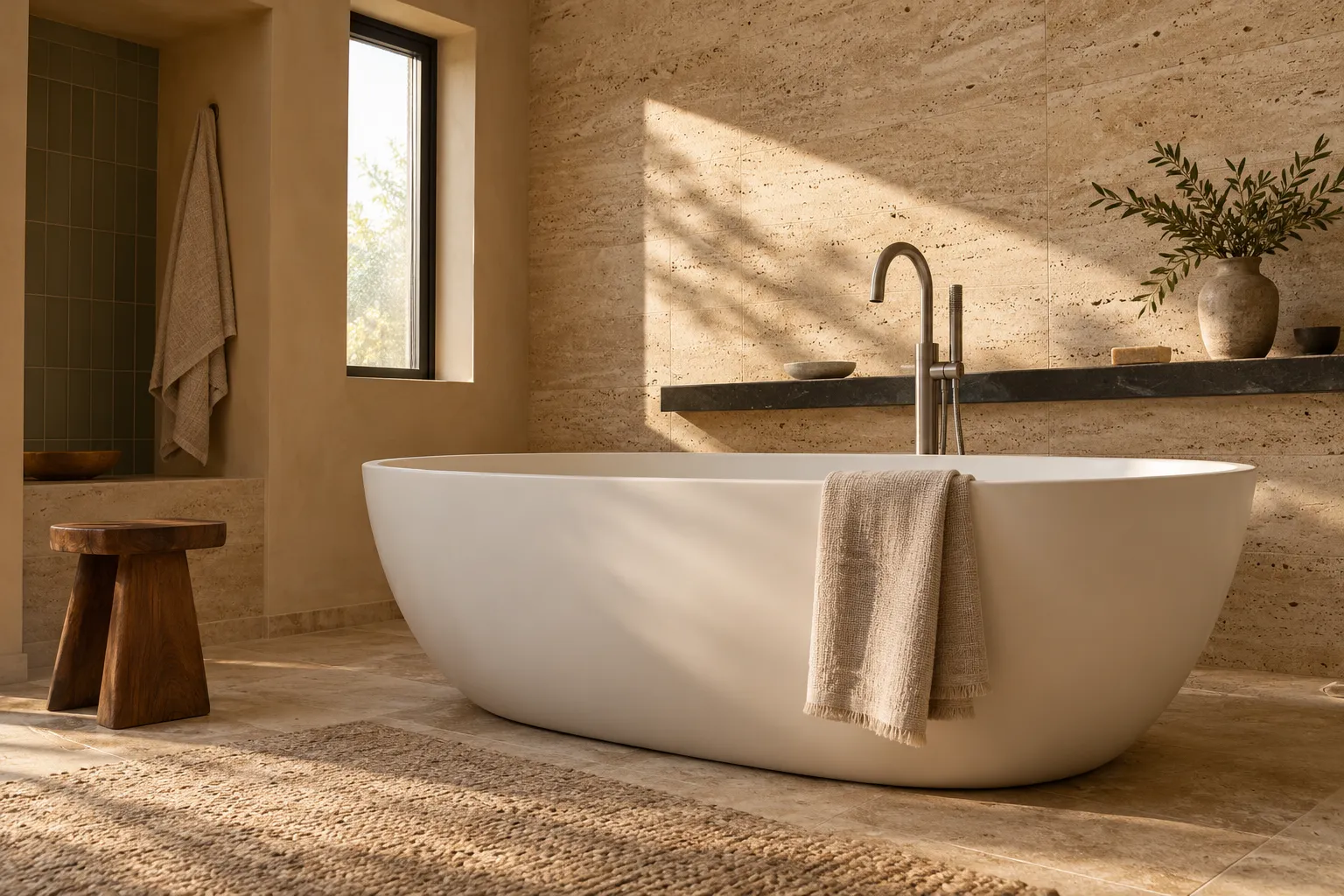
There are 3 families of tub, and each suits a different room. Alcove tubs slide into a walled niche and remain the workhorse of hall and guest bathrooms; when the old tub is out, that niche is often rebuilt and retiled before the new tub is set. Freestanding tubs stand on a finished floor with a skirt all around, which makes them a centerpiece in larger primary bathrooms and requires the filler to be planned at the right spot. Soaking tubs are deeper models in any footprint, and they earn their place when the point of the bath is the soak itself. Sort the choices in this order: the usable footprint, how the tub gets filled, how deep the soak needs to be. A tub that does not fit the room, or the way you actually bathe, is expensive to correct later, so measure before you fall for a model.
04Tubs
What goes around a new tub?
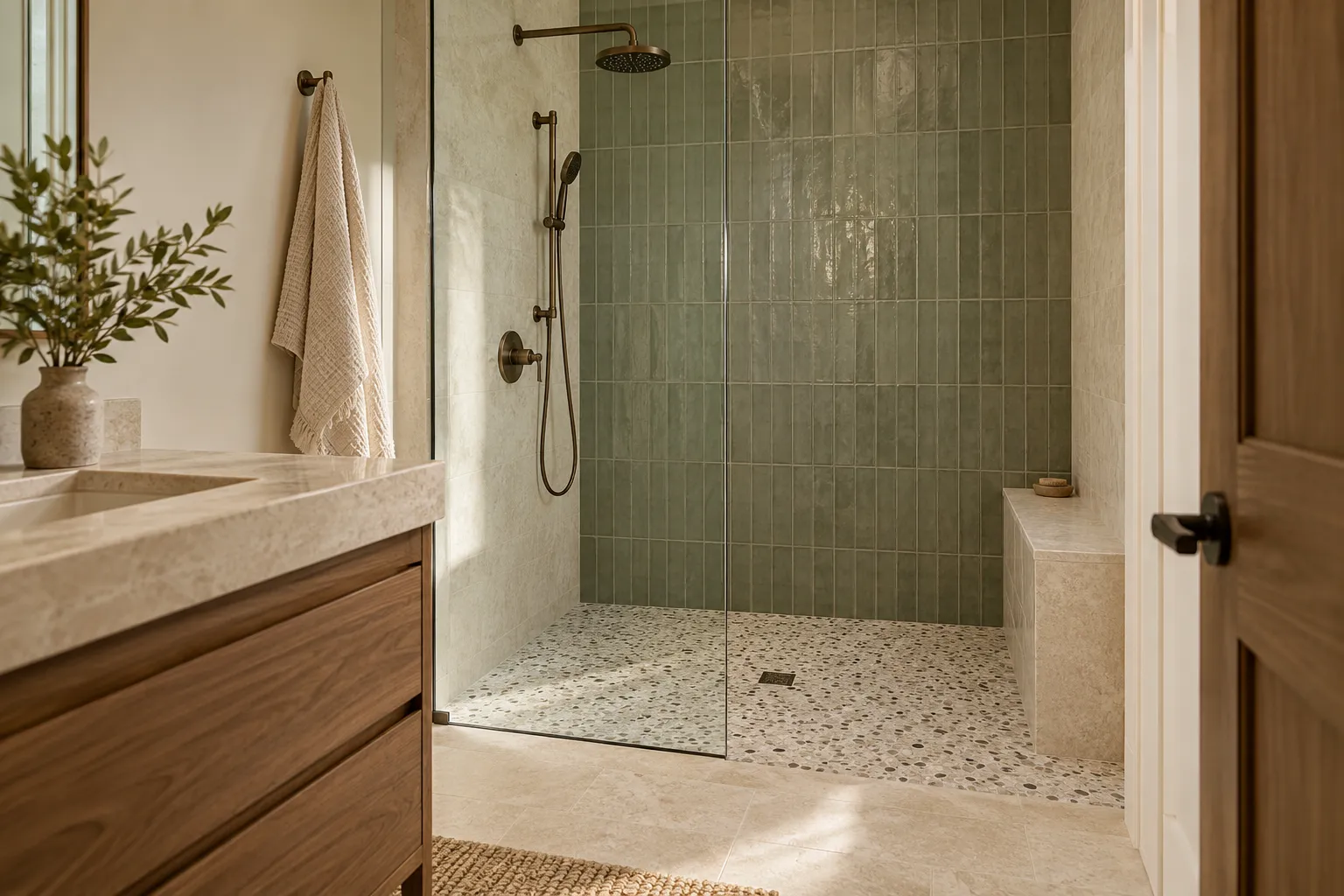
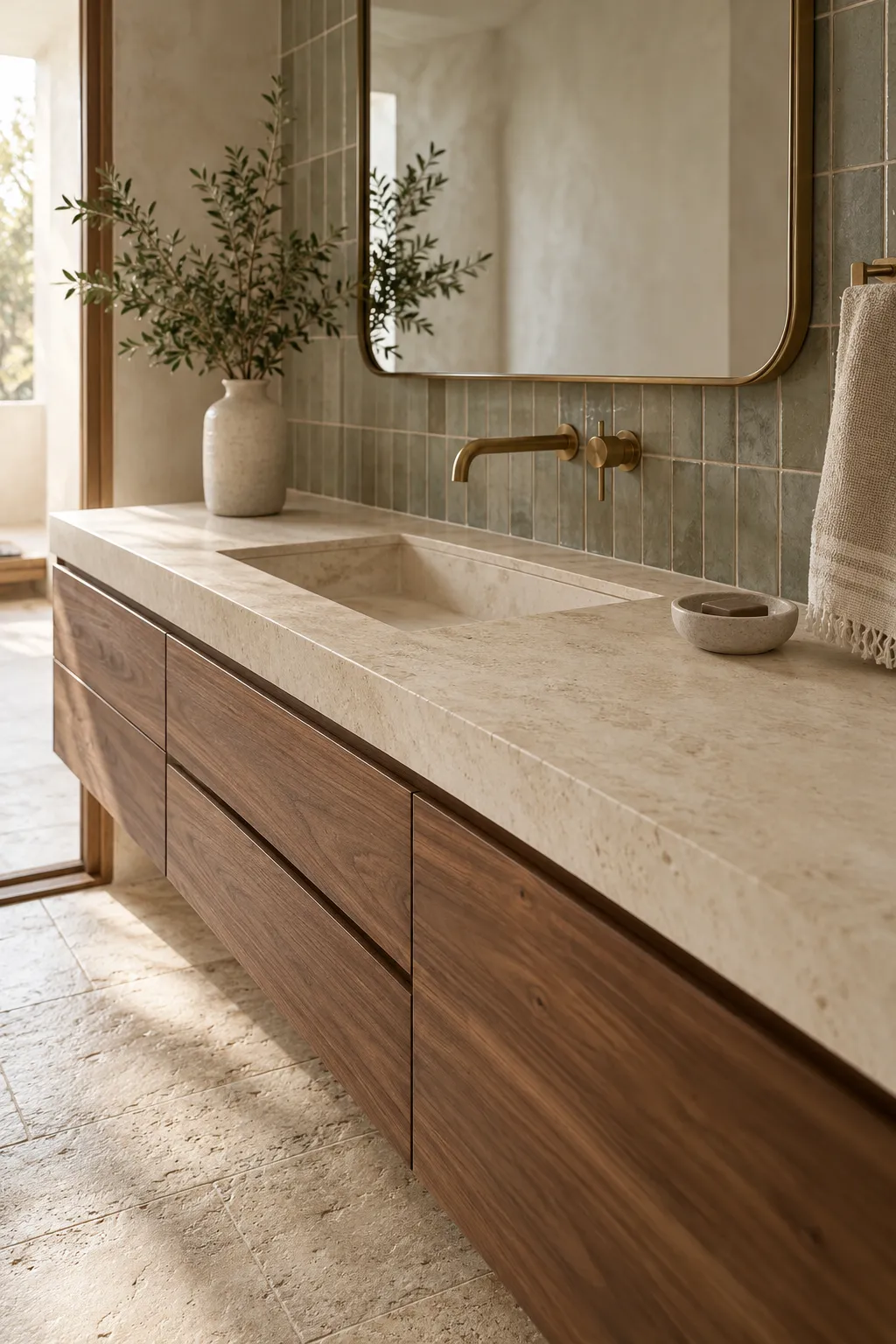
The surround is the tub's durability layer as much as its look. Tiled surrounds in porcelain or stone are set over a waterproofed wall, because the waterproofing sits behind the tile, not on the surface; the tile and grout are the finish, not the barrier. The wall is rebuilt with the new tub in place, so the surround plan and the tub plan have to be right before either is ordered. A deck or apron around a drop-in or freestanding tub gets the same waterproofed construction. The details that show are the ones decided early: where the filler lands, how the deck meets the floor, and how tile lines meet the tub edge. Materials are chosen in the design phase and set in sequence, and the result should read as one room rather than a tub dropped into a gap.
05Permits
Who handles the plumbing, and does the project need a permit?
The plumbing is its own trade and the city handles the permits, and that division is one reason a tub installation is not a weekend project. The drain, the overflow, the valve and the supply lines are set, and reworked when a new tub changes the configuration. Electrical work, if it is part of the scope, is its own trade the same way. Permitted work goes through the City of Scottsdale's permit process (opens in a new tab) with inspections along the way, and what requires a permit depends on what changes and where: replacing an existing plumbing fixture in the same location can use a Minimum Permit with no plan review, while relocating plumbing needs a permit and plan review. The right time to settle permits is before work starts. If you are unsure what your project needs, call (747) 243-2089.
06Tubs
Will a freestanding tub fit through the door, and where does it sit?
Freestanding tubs are the plan-ahead choice, because the unit has to reach the room before anything else matters. Measure the path first: the entry door, the hallway turns, the bathroom doorway and any tight corner where the tub has to tilt. Some tubs can be carried in on their side and some fittings can be removed and reattached; others cannot clear a narrow doorway, and the model's exact dimensions settle that before an order is placed. Inside the room, placement comes next: the NKBA planning guidelines (opens in a new tab) recommend that the clearance in front of a bathtub extend its full length and be at least 30 inches wide. That clearance is what makes the tub easy to enter, clean around and live with. Floor structure is confirmed after placement is set.
07Costs
How much does a filled tub weigh, and does the floor need work?
A filled tub is heavy, and an occupied one more so, so the floor question is real and it has one honest answer: the structure is judged for the specific tub and room, not estimated from a rule of thumb. The assessment covers the tub model's filled weight against the floor framing beneath the bathroom, whether any support work is warranted, and how a freestanding tub's load lands compared with the alcove tub it replaces. Second floor bathrooms and older homes call for the closest look. If the structure needs work, that work belongs in the plan and the price before anything is ordered.
08Costs
What does a bathtub installation cost in Scottsdale?
| Job | Figure | Guide |
|---|---|---|
| Bathtub install, typical job | $2,000 to $10,500, average $6,000 | National cost guide |
| Alcove tub, installed | $450 to $1,400 | National cost guide |
| Replacement, typical | Average $2,100 | This Old House |
| Freestanding tub | $2,500 to $10,000 | This Old House |
Figures from a national cost guide and from This Old House (opens in a new tab), checked October 2026; treat them as ranges, not quotes. Where the project lands depends on the tub, the surround, whether plumbing moves, and how the unit reaches the room. The actual price is set after an on-site assessment.
09Timeline
How long does a bathtub installation take?
A straight tub replacement runs on a shorter clock than a full remodel, and the schedule is built at the assessment and confirmed when materials land. What shapes it: special order tubs arrive on their own lead times, plumbing and inspection days are set by the plumbing trade and the city, and in projects with tile, membrane and mortar cure on the manufacturer's schedule, time that cannot be compressed. Plan for the bathroom to be out of service for the working days rather than a single afternoon. The sequence once materials are on site is orderly: demolition, rough work, waterproofing, finish work, glass if any, then cleanup and a walkthrough. A tub replacement is a small version of that same sequence, and the timeline guide lays it out stage by stage.
105 questions
Questions people ask
Still have a question? Call (747) 243-2089 and describe the bathroom.
01How long does a bathtub replacement take?
A replacement with a stock tub and a simple surround is a short project, commonly quoted in days once materials are on site. Special order tubs, tile surrounds and plumbing changes add time, and exact dates are set after the assessment.
02Do I need a permit to replace a bathtub in Scottsdale?
It depends on what changes. The City of Scottsdale says replacing an existing plumbing fixture in the same location can use a Minimum Permit with no plan review, while relocating plumbing needs a permit and plan review. The city decides, and the assessment identifies which side your project falls on.
03Can a tub be installed where there was only a shower?
Sometimes. It depends on the room's size, the drain location and what the plumbing can support. Whether the drain can be configured for a tub is confirmed at the assessment.
04Are freestanding tubs hard to keep clean?
They are easier in one way and fussier in another: there is no surround joint to scrub, but the gap behind the tub has to be reachable for cleaning. Plan the placement with that gap in mind.
05Should a new tub match the shower in the same bathroom?
There is no rule, but a coherent room reads better than mixed eras. If the shower is being tiled anyway, coordinating tile, fixtures and finishes across both is worth doing while everything is open.
11Keep reading
Related
- Bathroom remodel services: all 7 kinds of bathroom work, one page each.
- Tub to shower conversion: when the tub space should become a walk-in shower.
- Walk-in tubs: the low step-in option with a door and a seat.
- What a bathroom remodel costs: published ranges with sources.
- Bathroom remodeling in North Scottsdale: tub replacement and first real updates for 1990s and 2000s homes.