Guide 08 · 6 min read
Walk In Shower vs Tub Combo in Scottsdale, AZ
Good to know
The short answer
A tub combo is one fixture that is both a bathtub and a shower, and a walk-in shower is a shower with no tub at all, usually without a curb to step over. In Scottsdale, where the primary baths are larger and the resale market expects choices, the decision comes down to who uses the room and whether the house keeps a tub somewhere else.
Keep the tub combo if this is the only tub in the house and you want the flexibility; go walk-in if another bath keeps a tub, or if stepping over a tub wall is the problem. In a Scottsdale primary bath, the walk-in usually wins the daily use argument, and the tub combo wins the resale argument when it is the last tub standing.
Which one is right depends on the house, the other baths, who lives there, and who buys it next.
Tubs
Tub combo: what it actually is
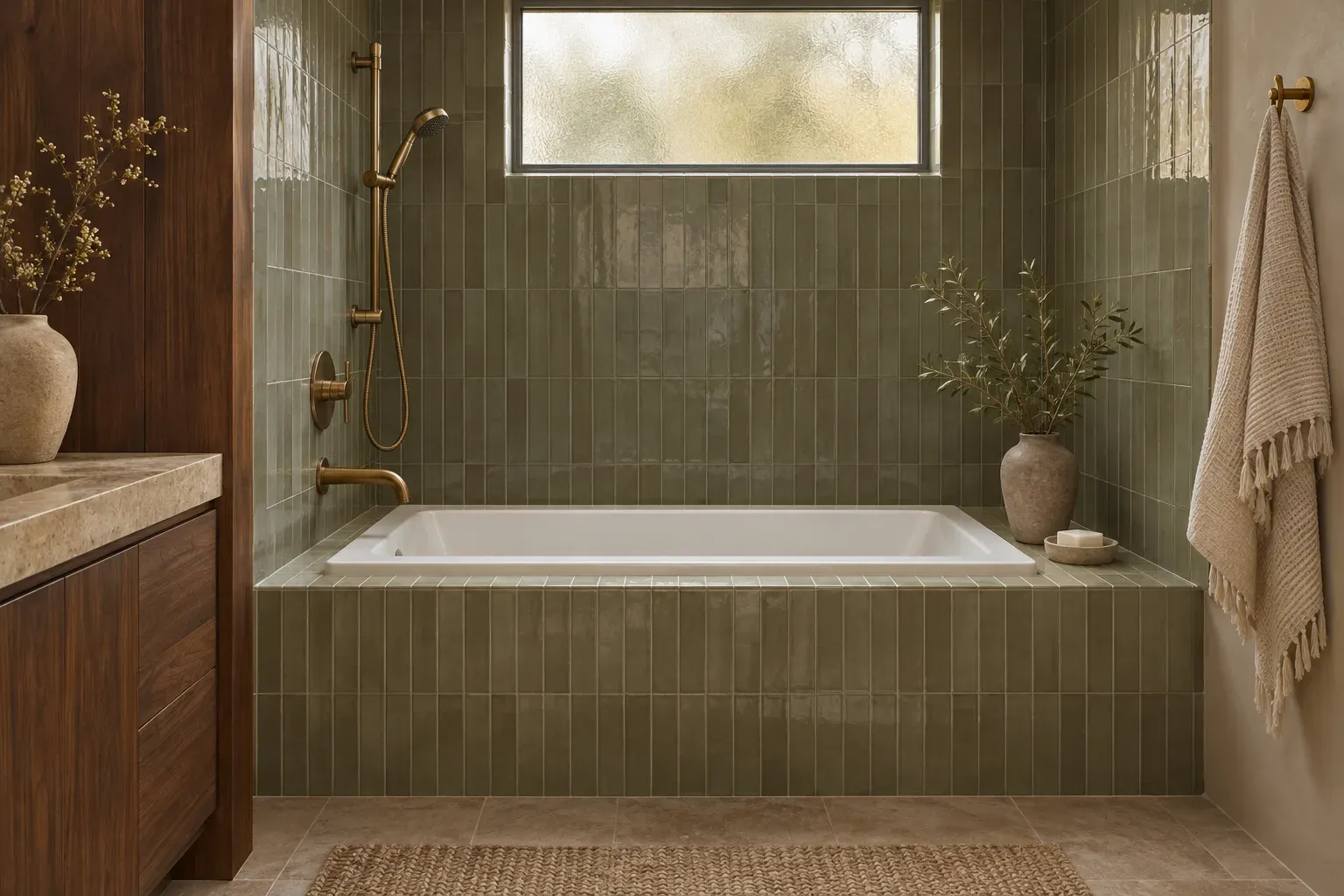
A tub combo is a bathtub with a showerhead over it: one drain, one valve, and a tile or acrylic surround that catches the water and sends it back into the tub. The valve sits at tub height because it has to fill the tub, and the shower works from the same controls. It is the most efficient fixture ever designed, because it is two fixtures on one drain.
The tradeoff is the step. The tub wall is a barrier you climb over twice a day, and the standing area inside is the narrow floor of the tub, where the walls are curved and the footing is small.
Showers
Walk-in shower: what it actually is
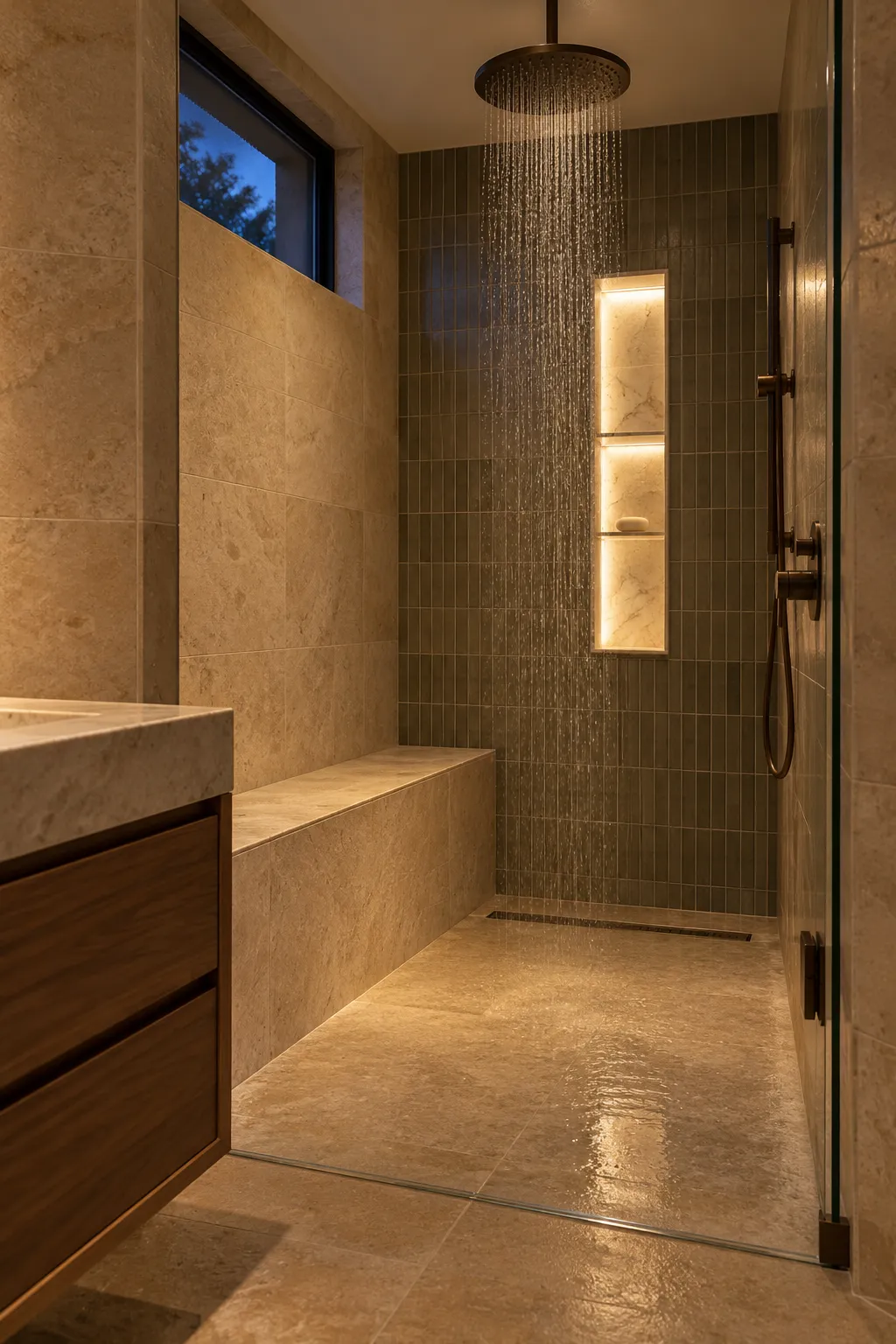
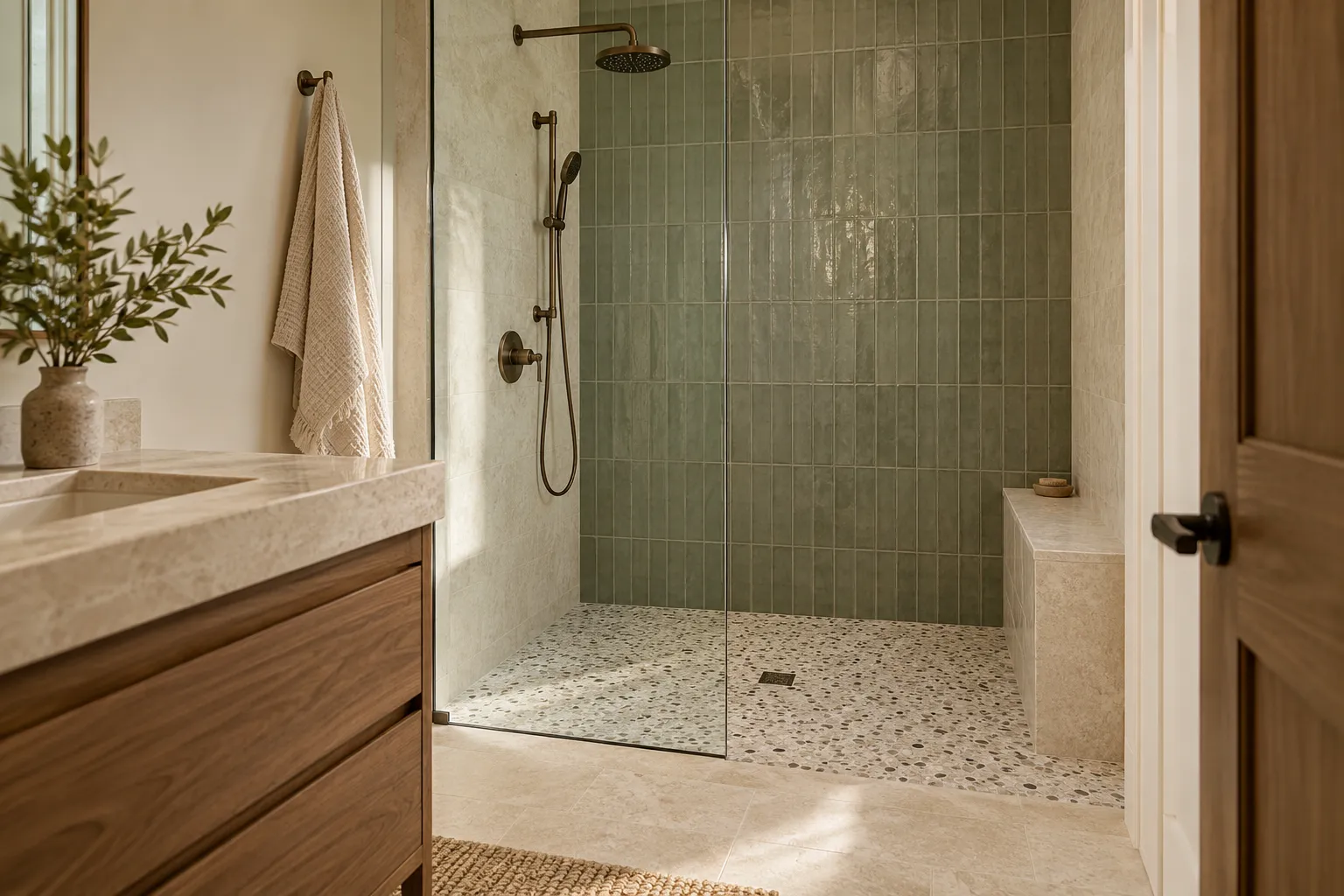
A walk-in shower is a shower built as its own room, usually with a low or no curb, a sloped pan, and an open or glassed front. The drain is a shower drain with the fall a shower needs, the valve is at shower height, and the whole thing is built as waterproofing first and tile second.
The glass is part of the waterproofing conversation, not just the look: an open walk-in splashes the room, and the glass contains the water, so the door decision and the pan decision are the same decision.
The tradeoff is what it gives up: no tub, which matters when the house has only one full bath, and a larger footprint, which matters in a bath that was never big. The conversion from one to the other is its own comparison at tub to shower vs walk in tub.
Tubs
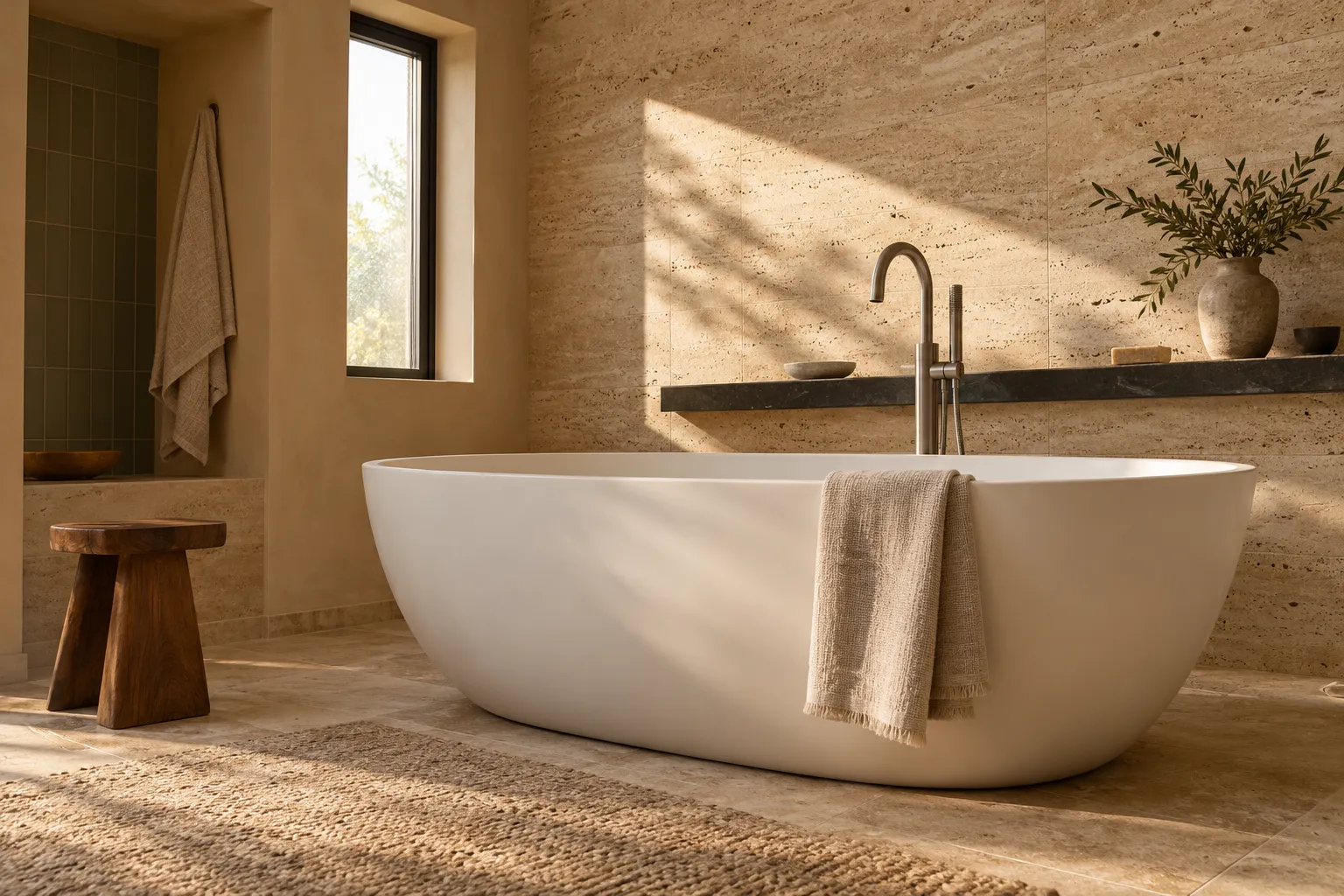
Where a tub combo fails here
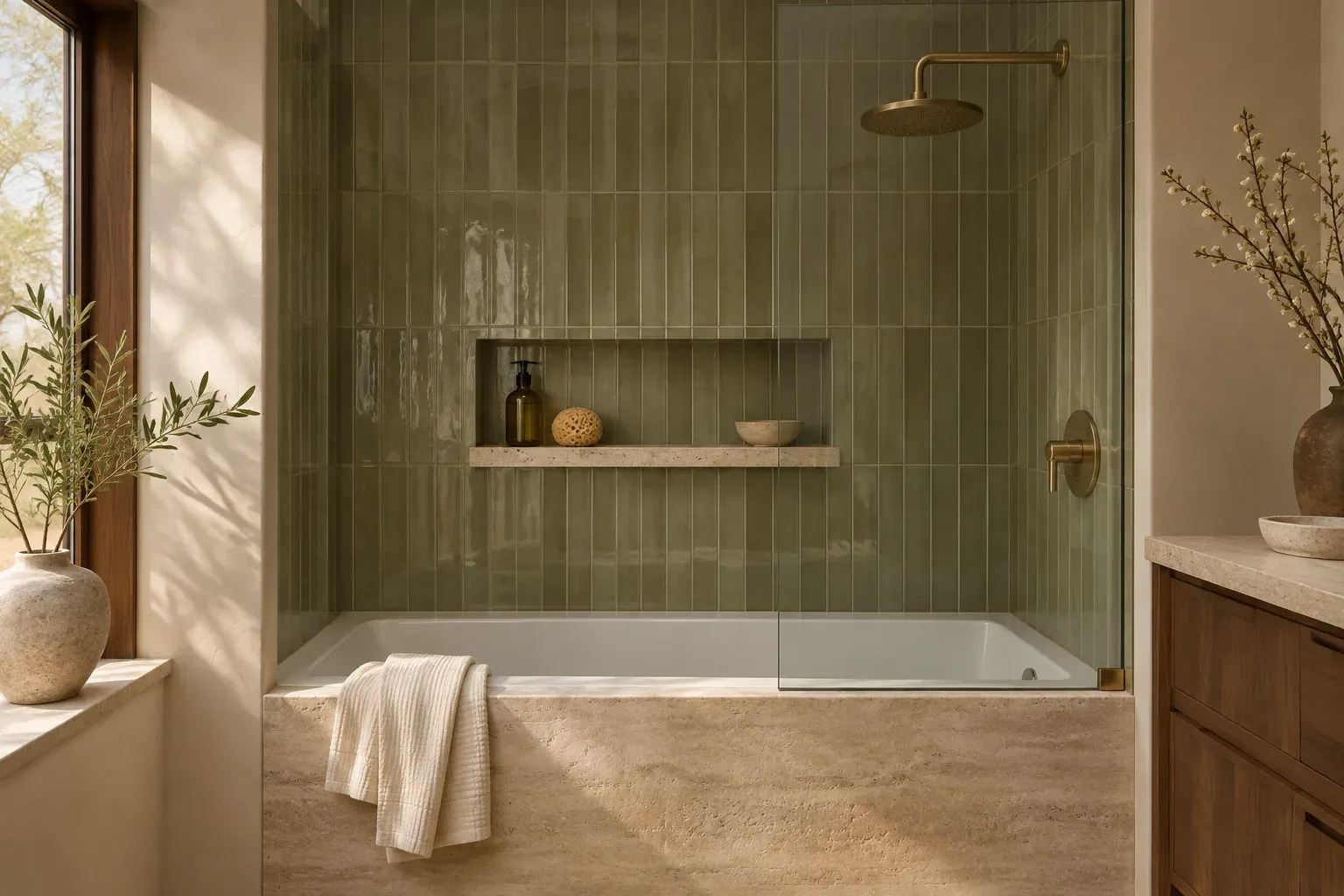
The tub combo fails at the surround and the waterline. The tile surround over a tub takes the same hard water film as any shower, and the corner where the surround meets the tub deck is the classic leak point in Scottsdale: the caulk line there fails, water runs down behind the tub, and the first sign is a stain on the ceiling below or a soft spot at the baseboard.
The tub deck corner is the joint where the surround meets the tub, and in hard water it is the first caulk line to give up, because the film that builds there keeps the surface wet and the caulk loses its grip a little more each week. The tub ring is the visible version of the same water: minerals settle at the waterline and cure in the dry air.
The second failure is the valve. A tub height valve is fine for the tub and low for the shower, and when the surround gets retiled without moving the valve, the shower stays a crouch. In a high-end Scottsdale primary bath that gets retiled every decade or two, the valve height is the decision that repeats.
Showers
Where a walk-in shower fails here
The walk-in fails when it is built on the old tub footprint without redoing the drain. The tub drain comes out and the shower drain goes in, and if the slope is wrong or the waterproofing is skipped, the pan leaks the same way a converted tub leaks, slowly, into the ceiling below. In a second home that sits empty through the monsoon, that leak has weeks to travel before anyone sees the stain. The pan failure modes are the subject of shower pan replacement vs relining.
The other failure is the decision itself. A walk-in in the only full bath of the house removes the tub, and in Scottsdale the resale buyer with kids or a dog reads that as a project. If the walk-in is the answer, the house should keep a tub somewhere.
Ventilation is the quiet requirement nobody lists for the curbless shower: no tub wall means the steam goes straight up into the room, and the fan that was fine for a tub surround is suddenly undersized, so the ceiling paint takes the moisture instead.
Costs
What it costs and what drives the number
A tub combo is usually the smaller number, because it is one fixture on the existing drain with a surround. A walk-in is the larger number, because the drain moves, the waterproofing gets built, and the glass and tile get added. What moves both numbers is what the demo finds: a rotted subfloor under an old tub deck costs the same to fix whichever fixture lands on it.
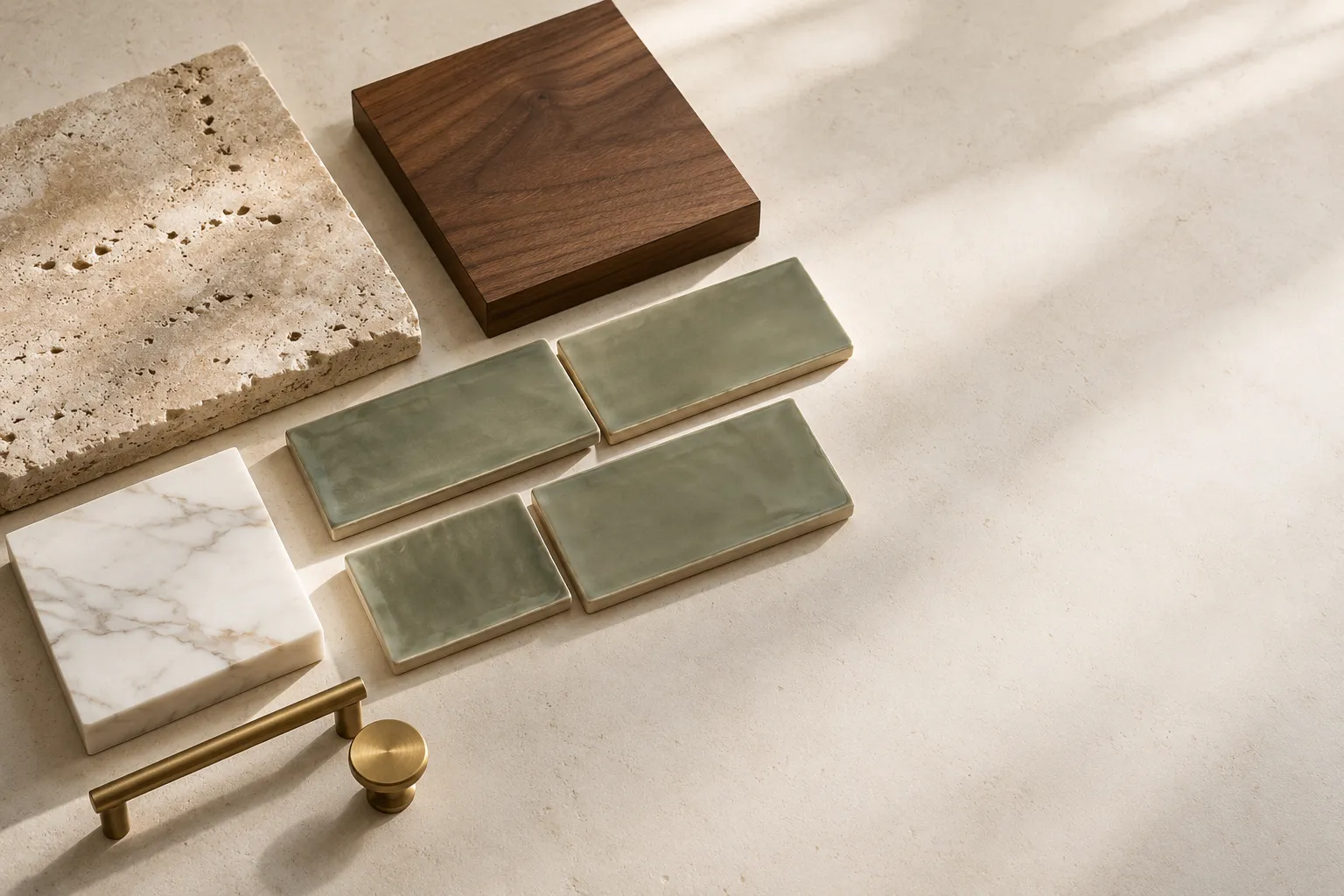
The Scottsdale driver is the finish. A walk-in in a primary bath here is expected to read as high-end, with glass and tile that match the rest of the room, and that expectation is a line item.
The resale line item is the other driver nobody writes down: a walk-in that removes the last tub is a feature for some buyers and a subtraction for others, and the subtraction costs whatever a tub reinstall costs later, which is why the other bath matters more than the shower itself. The bathroom remodel cost page puts numbers to the drivers.
Good to know
What good work looks like in Scottsdale
- The drain and the waterproofing get done before the fixture decision gets final, because a walk-in over a tub drain is the most common leak in a conversion.
- The valve height gets set for the shower, not inherited from the tub, on any conversion scope.
- The whole house gets looked at before the tub comes out, so the last tub in the home is a conscious decision, not a surprise at resale.
- Finish selections get screened for Scottsdale water, so the walk-in does not spec polished stone and light grout that will stain in a season.
If you are leaning toward a walk-in, our shower remodeling page covers custom and walk-in showers.
6 questions
Walk In Shower vs Tub Combo: your questions
Still have a question? Call (602) 782-5702 and describe the bathroom.
Should I keep a tub in the house?
Most buyers want at least one, so yes, somewhere. A primary bath walk-in plus a tub in a secondary bath is a setup many buyers look for in Scottsdale.
Can a tub combo convert to a walk-in shower?
Usually yes, because the footprint is there. The drain has to be redone for a shower, and the valve has to move up, which is why the conversion is real plumbing, not a surround swap.
Is a walk-in shower cold?
It can feel colder than a tub surround because there is no tub wall holding steam in, and a glassed enclosure helps more than a larger showerhead. In the dry air here it is less of an issue than it sounds.
What is the minimum size for a walk-in shower?
Smaller than most people think, once the drain and the slope are right, but a shower squeezed into a tub footprint feels like a tub footprint with a door. Size is a comfort decision, not a code number.
Does a walk-in shower need a curb?
No, and the curbless version is the one that serves aging in place. The slope and the waterproofing have to be done carefully, which is exactly the part worth paying for.
Which is better for a second home?
The walk-in, if the house sits empty, because there is no tub seal and no standing water line to cake with scale between visits. The tub combo is fine, but it carries the tub ring.